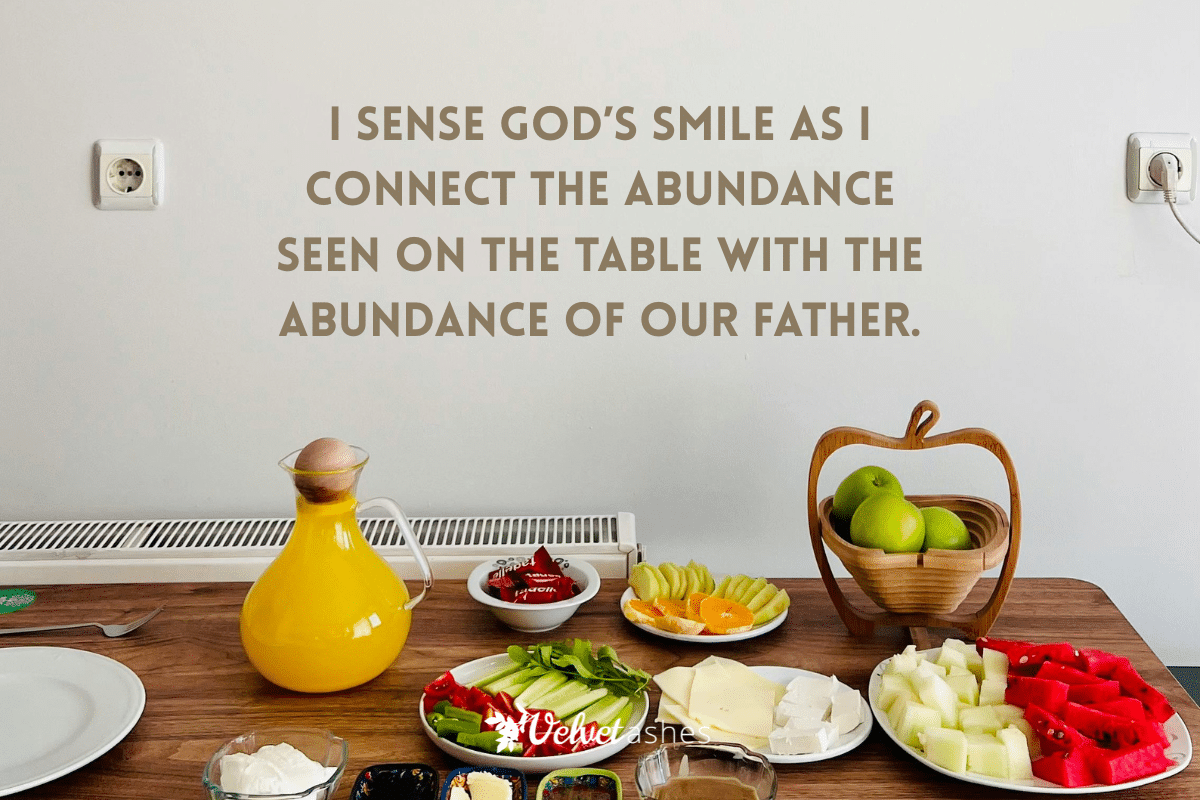

Turkish breakfast is an event.
You sit down at a table with a few friends. When the waiter comes over, you tell him you want the serpme kahvaltı. In Turkish, the word serpme means to cover. The waiter brings your tea in the tulip-shaped glass, and you dunk a sugar cube or two in there, stirring carefully but quickly to dissolve it. Maybe a drop spills out onto the saucer in your hurry. You sip tea and chat about life, filling the cup back up when it is empty, losing count of the amount of teacups you are drinking.
Slowly and all at once, the waiter arrives back with a tray filled with tiny plates, and quickly you learn why it is called serpme. First, the cheese, olives, fruit, tomatoes, and cucumbers are strategically placed across the table, leaving space in between for other magical things. Next, the jams, honey (often still on the comb), kaymak, and tahini arrive.
Surely, this is it, you think. How could we fit more on this table?
The waiter is skilled in his table Tetris, bringing more and more. A basket of bread. A plate with Turkish pastries: gözleme, pişi, and börek. The hot dishes: fried eggs, sucuk, menemen, and potatoes. Before your very eyes, the table becomes completely covered, just as promised.
The first time I had kahvaltı, we had only been in country a few weeks. A large group got together to enjoy Turkish breakfast at a local place. We took up three long tables in the restaurant’s outside dining area. I had no idea what to expect, and when the table filled with food, I was amazed. The double-stacked Turkish teapot kept getting used as people drank glass after glass. We sat there for a couple hours, just enjoying time together and enjoying the food in front of us.
There is something to be learned from kahvaltı and the slowness it requires. There is something holy about it. You can’t just eat and leave with kahvaltı. It’s not possible with the way the food is set out. There is a beauty in sharing with everyone around the table. As you each take it all in, one bite at a time, you think more. You talk to one another. You slow down enough to really know people. You savor.
In international life, we get to see God in the ordinary. In our passport countries, the things that feel trite and ordinary feel so extraordinary in our host countries. Breakfast may seem simple, but there is something holy about sitting down for kahvaltı for me. There always will be. I sense God’s smile as I connect the abundance seen on the table with the abundance of our Father. A Provider who doesn’t just give us the minimum but provides until it all overflows. He is more than enough.
There have been times in my eight years of international living that feel like kahvaltı—abundant, overflowing with goodness, peaceful. Times where friendships feel life-giving, the culture blunders are few and far between, and I feel refreshed. There have been other times, however, that feel more like a morning where you just grab a banana on your way out the door, abandoning hope of a true meal for breakfast. Times that feel rushed, lonely, and have me aching for those abundant seasons. Although it may not feel like it, I know that my abundant God is present in both seasons with me.
Seasons of abundance and seasons of shortage have something very important in common. We are invited to God’s table to share in a meal with him, and this table lacks nothing. This is where we find our sustenance and where we gain our strength.
Psalm 23 is a beautiful picture of this. We see both times of abundance and times of shortage in the story of Psalm 23.
“The Lord is my shepherd,” David begins. “I lack nothing.”
There is no lack at the table of the Good Shepherd.
“He leads me beside still waters; he restores my soul,” he continues.
Those times of abundance feel this way—walking beside a calm river, restored, refreshed.
Then, David goes on to say, “Even though I walk through the valley of death, I will fear no evil.”
Seasons of shortage can feel like the valley of death. That abundance feels far away, yet both seasons end with this: “You prepare a table before me in the presence of my enemies. You anoint my head with oil; my cup overflows.”
Overflow. When life feels dry and dead, I have to ask myself: Am I living out of scarcity or out of the abundance God promises in every season with him? Where am I misplacing my reliance?
Humans will fail us, people will leave, and things will be hard. God, however, always has enough to share with us. In times where I long for a kahvaltı season, I have to remember that God doesn’t shortchange me. He will not hold back what I need, even if I may not have everything that I want. God’s table is always full of olives, honey, and bread. He IS enough, and I can rely on him to always provide.
Where are you living out of scarcity rather than abundance in your life? Where can you recognize God’s provision for you in this season?